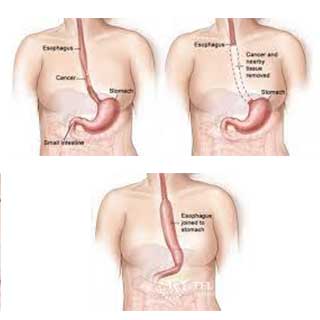
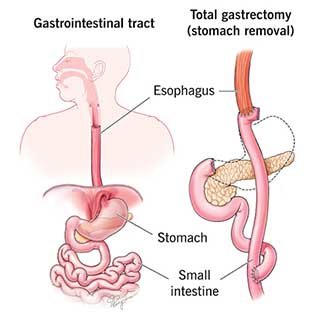
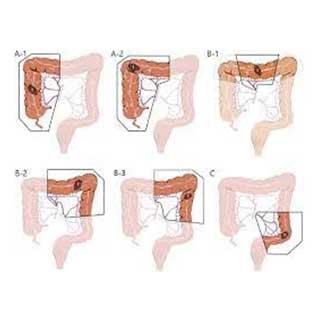
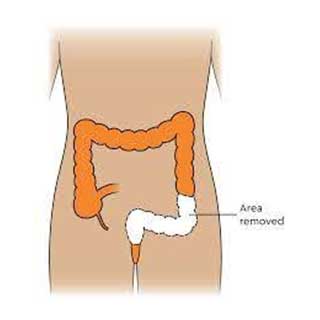
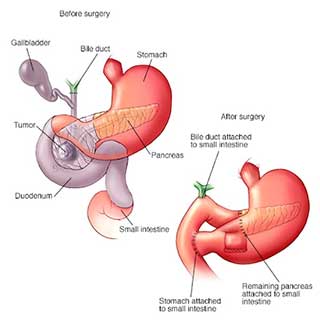
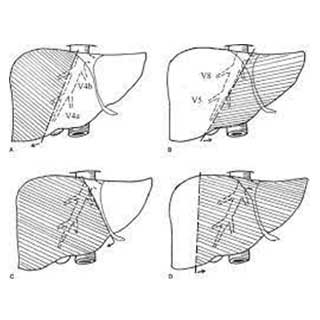
GI (Gastrointestinal) Cancer Surgery refers to surgical procedures used to remove cancerous tumours or affected parts of the gastrointestinal tract, which includes the esophagus, stomach, small intestine, colon, rectum, liver, pancreas, and other digestive organs.
Purpose
Curative
To completely remove the cancer when detected early or confined to one area
Palliative
To relieve symptoms like pain or blockage in advanced cancer cases
Staging
To determine the extent or spread of cancer
Preventive
In high-risk patients, to remove tissues that may become cancerous.
Surgical Approaches
Open Surgery
Traditional method involving a large incision to access the affected area.
Laparoscopic Surgery
Minimally invasive technique using small incisions and a camera to guide the surgery. This approach typically results in shorter recovery times and less postoperative pain.
Robotic-Assisted Surgery
Utilizes robotic systems to enhance precision and control during surgery. It is often used in complex procedures and may offer benefits similar to laparoscopic surgery.