

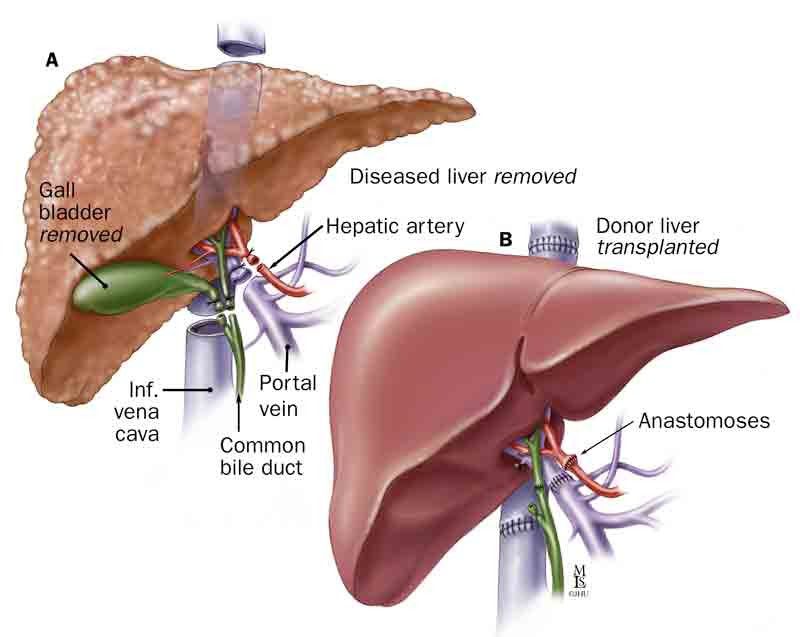
A liver transplant is a surgical procedure where a diseased or failing liver is removed and replaced with a healthy liver from another person, called a donor. This surgery is usually done when someone’s liver is so badly damaged that it can no longer work properly, often due to conditions like cirrhosis, liver cancer, or acute liver failure.
The new liver can come from:
A deceased donor
A living donor
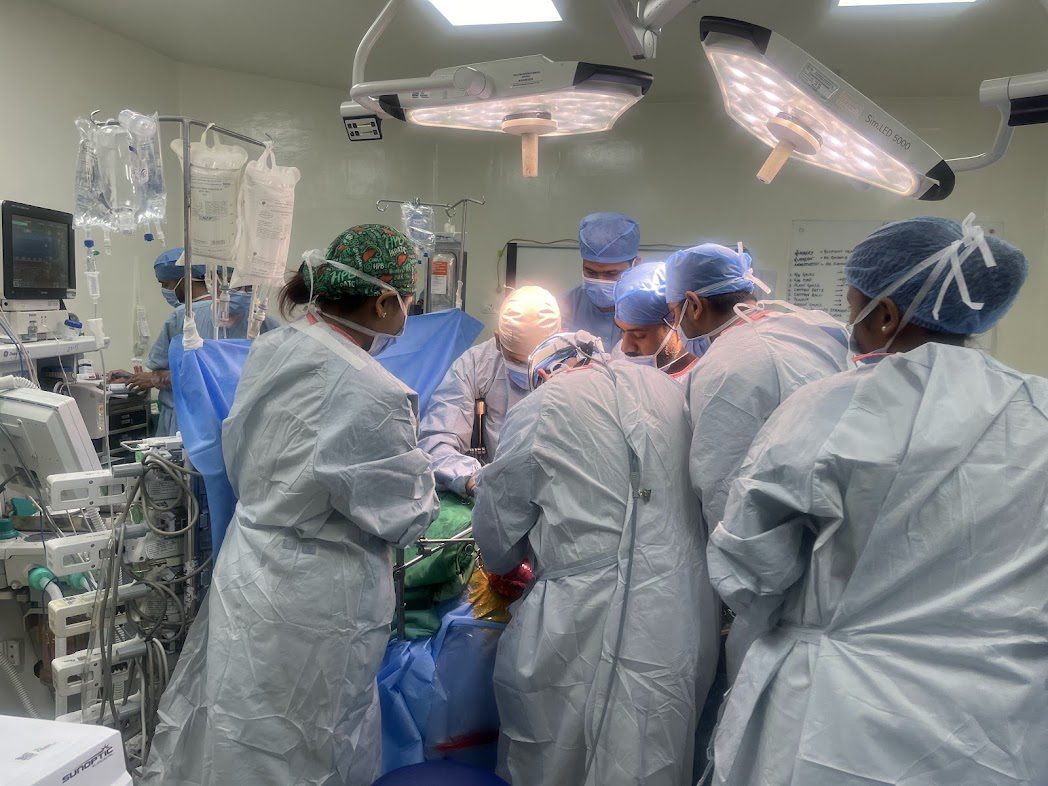

Main steps in a liver transplant process
Step 1
Evaluation
Step 2
Getting on the Waiting List
Step 3
Finding a Donor
Step 4
The Surgery
Step 5
Recovery and Monitoring
Step 6
Long-Term Care
Types of Immunosuppressive medicines
There are several types of immunosuppressive drugs that are used after liver transplantation to prevent the immune system from rejecting the new liver. These include:
Calcineurin inhibitors (CNI)
Antiproliferative agents
mTOR inhibitors
Corticosteroids
It is important to monitor patients taking immunosuppressant drugs after liver transplantation to ensure that they are not experiencing any side effects and that the drugs are effectively preventing rejection. This typically includes regular blood tests to check the levels of the drugs in the patient’s system and to monitor for any potential side effects such as infection, diabetes, hypertension, and nephrotoxicity. The patient’s transplant team will work together to ensure that the patient is managing their medications and monitoring correctly.
Medicines after transplant
After a liver transplant, patients will typically need to take immunosuppressant medications to prevent their immune system from rejecting the new liver. These medications will need to be taken for the rest of the patient’s life.
Additionally, patients may need to take medications to prevent infection, manage pain, and control other conditions. It is important to regularly monitor the patient’s liver function, including blood tests to check liver enzyme levels, and to monitor for any side effects of the medications.
The patient’s transplant team, which includes a transplant surgeon, transplant hepatologist, and transplant coordinator, will work together to ensure that the patient is managing their medications and monitoring correctly.